Open WebUI 2026: the ultimate interface to manage all your local models
Share
An interface. All your local models. Zero data in the cloud.
Open WebUI is the ChatGPT you install at home. 65,000 GitHub stars, the most used local frontend in 2026.
Here’s the essentials, straight to the point.
What exactly is it?
A web interface you host. The model runs on your premises, the interface runs on your premises, nothing leaves.
And above all: it’s not limited to Ollama.
Why not just the command line?
Because Open WebUI adds everything that makes AI usable daily:
- Conversation history, like ChatGPT.
- Switch models with one click, no restart needed.
- Drag a PDF and query it (native RAG).
- Multiple users, each with their own account.
- Voice and images in the same window.
- Pipelines to connect your own tools.
How do you install it?
A Docker command, on a machine where Ollama is already running.
docker run -d -p 3000:8080 \ --add-host=host.docker.internal:host-gateway \ -v open-webui:/app/backend/data \ --name open-webui --restart always \ ghcr.io/open-webui/open-webui:main
Then http://localhost:3000, you create your account, your models appear. It's ready.
OLLAMA_BASE_URL to http://host.docker.internal:11434. Nine times out of ten, that's the fix.
What is it really for?
Chat with your documents
A contract, a report, a manual. You drag, you ask, the model responds based on the content. Locally.
A private ChatGPT for the team
On a central machine, everyone accesses it via the network. Data stays within the walls, period.
Compare two models
Same question, two answers side by side. To find the right model for the task.
Which to choose: Open WebUI, LM Studio, or Ollama?
Each in one line:
Open WebUI — you want RAG, multi-user, or to manage multiple engines. The most complete.
LM Studio — a simple desktop app, solo, no installation needed.
Ollama alone — you code and integrate AI into your scripts.
Open to multiple users? Secure it.
- Authentication always active on open networks.
- HTTPS via reverse proxy.
- Firewall on trusted networks.
- Regular updates.
The only real prerequisite: the GPU
Open WebUI uses almost no resources. The model behind it requires power.
What matters: VRAM. It determines model size.
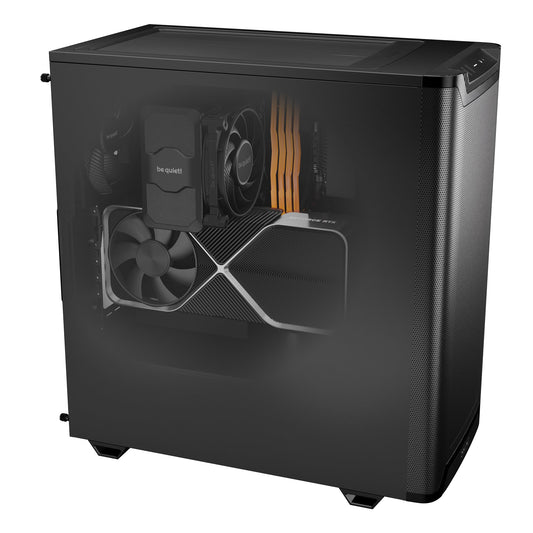
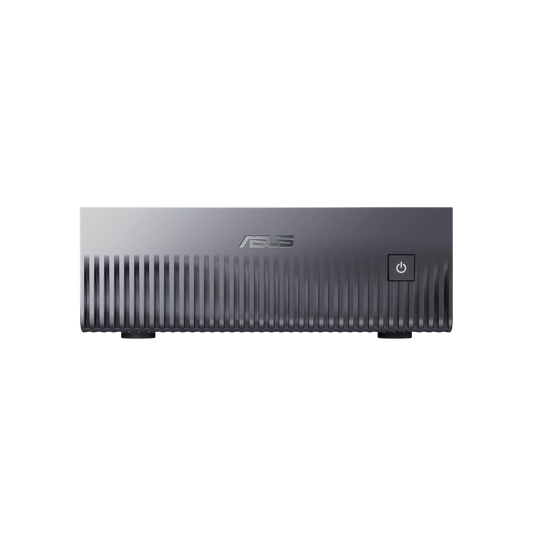
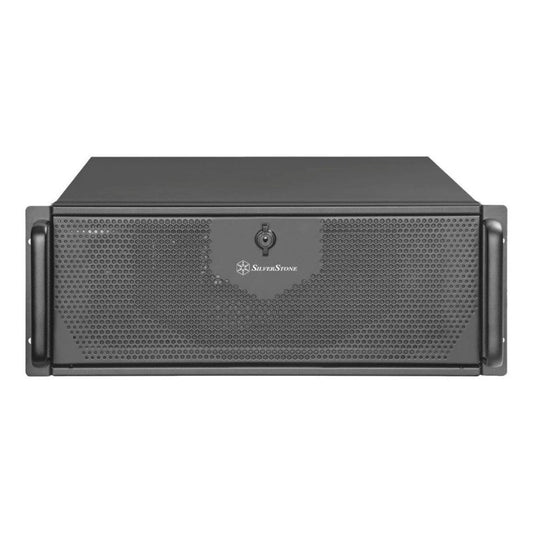
Our machines ready for Open WebUI
Assembled in Auriol (13390), delivered throughout the EU.
In brief
Free? Yes, open source. You only pay for the hardware.
Need to code? Not for use. For installation, some Docker knowledge—or a machine delivered ready to go.
Private data? Yes, with a local model nothing leaves your device.
Anything other than Ollama? vLLM, LM Studio, LocalAI, any OpenAI-compatible endpoint.